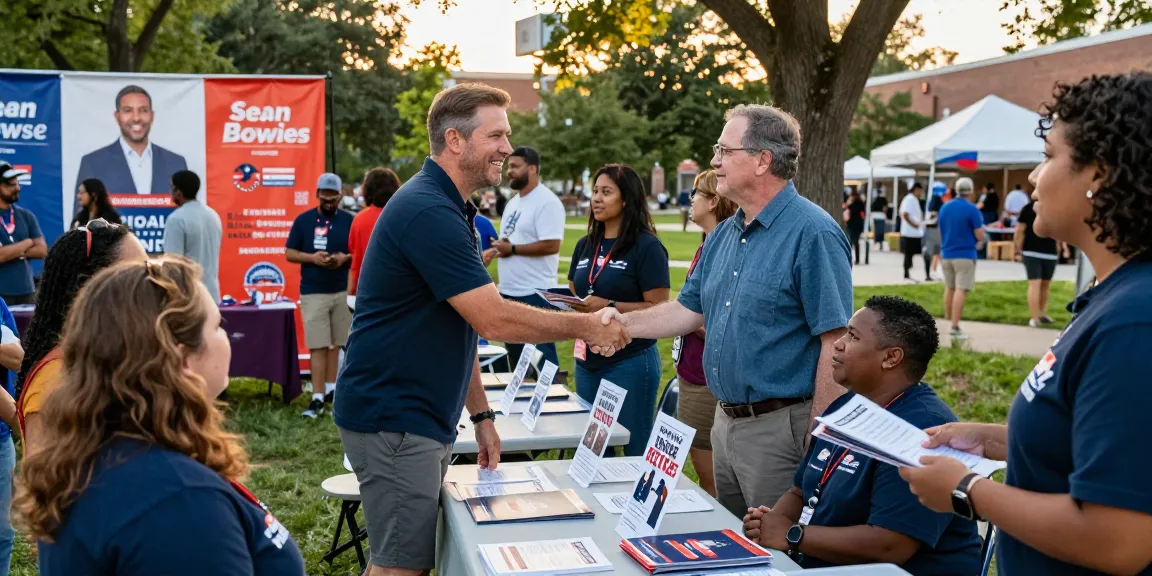
Understanding the Importance of Community Engagement in Politics
Community engagement has become a cornerstone of modern political campaigning, especially in a landscape that demands transparency, authenticity, and direct communication between candidates and constituents. For individuals like Sean Bowie, fostering strong community ties is not only essential for garnering support but also for addressing the pressing issues that affect everyday lives. In an era marked by digital communication and social media, the need for genuine connections has never been more crucial. Effective engagement can inform policy decisions, enhance voter turnout, and cultivate lasting relationships between voters and their representatives. When exploring options, seanbowieforaz provides comprehensive insights into navigating these dynamics.
Why Community Connections Matter for Sean Bowie
Community connections can significantly influence the outcome of political campaigns. For Sean Bowie, understanding the unique values and needs of the community ensures that his policies are not only relevant but also resonant. By actively engaging with local residents, Bowie can gather vital feedback, share his vision, and build trust. This connection not only humanizes the candidate but also creates a more informed electorate, ultimately leading to higher levels of participation in the democratic process. Moreover, these interactions help showcase a candidate’s commitment to serving the people, which is paramount for voter confidence.
Historical Context of Political Campaigns and Community Involvement
Looking back at political history, community engagement has played a pivotal role in shaping the electoral landscape. Figures like Franklin D. Roosevelt and John F. Kennedy utilized grassroots movements to galvanize support. Their campaigns were marked by a strong emphasis on connecting with citizens, understanding their concerns, and mobilizing them toward collective action. The evolution of community involvement reflects changes in communication technology, social norms, and voter expectations. Today, as Sean Bowie prepares for future elections, understanding this historical context can inform his strategies, allowing him to craft a campaign that resonates with both new and traditional voters.
Misconceptions About Community Engagement in Elections
Despite its importance, there are several misconceptions surrounding community engagement in political campaigns. One common belief is that it is merely about canvassing door-to-door or holding town hall meetings. In reality, effective engagement encompasses a multifaceted approach that includes online interactions, targeted outreach, and ongoing dialogues with constituents. Additionally, some believe that only certain demographics are worth engaging, which can lead to missed opportunities for a more inclusive campaign strategy. For Sean Bowie, debunking these myths and promoting a broader understanding of community involvement is crucial for establishing a strong voter base.
Strategies for Effective Community Outreach
To effectively engage with the community, political candidates must adopt innovative strategies that resonate with a diverse electorate. As Sean Bowie looks toward the upcoming elections, implementing a variety of outreach techniques can pave the way for success. Here are several effective methods that can enhance voter engagement.
Innovative Techniques to Engage Voters in 2026
With the political landscape evolving continuously, innovative techniques to engage voters are essential. Utilizing platforms such as social media for live Q&A sessions, virtual town halls, and interactive polls allows candidates to connect with voters in real-time. Moreover, hosting community events, workshops, or forums that address local issues can create an inviting atmosphere for dialogue. By employing these modern engagement strategies, Sean Bowie can build a dynamic and responsive campaign that encourages active participation.
Utilizing Technology for Better Interaction
Technology offers powerful tools for facilitating meaningful interactions between candidates and voters. For instance, utilizing voter engagement apps, personalized email campaigns, and social media outreach can enhance connectivity and keep constituents informed about campaign developments. Furthermore, data analytics can help refine these strategies by identifying voter preferences and engagement patterns. For Sean Bowie, harnessing technology is not just a trend; it is a vital aspect of modern campaigning that can lead to increased voter turnout and loyalty.
Best Practices from Successful Political Campaigns
Learning from successful political campaigns is invaluable. Campaigns that have effectively engaged their communities often share common traits: they prioritize transparency, foster genuine relationships, and actively listen to voter concerns. They also leverage diverse communication channels to reach various demographics. By examining case studies and extracting actionable insights, Sean Bowie can adopt proven best practices to maximize his outreach efforts, making a lasting impact on the community he seeks to represent.
Building a Strong Campaign Team
The strength of a political campaign lies in its team. Building a dedicated and diverse campaign team is fundamental for effective outreach and voter engagement. For candidates like Sean Bowie, assembling a group of passionate volunteers and experienced staff can greatly enhance the campaign's effectiveness.
The Role of Volunteers in Political Success
Volunteers are the lifeblood of any political campaign. They not only provide essential manpower for canvassing and events but also serve as ambassadors for the candidate's message. Engaging volunteers equips them with the tools necessary to articulate the campaign's vision, thus expanding the outreach network. Sean Bowie can cultivate these supporters by creating a volunteer program that emphasizes training, skill development, and shared goals.
Training and Mobilizing Supporters for Outreach
Training volunteers and supporters for outreach is critical for maximizing their impact. Providing workshops that teach effective communication techniques, understanding voter demographics, and using technology for outreach can empower volunteers. For Sean Bowie, developing a structured training program ensures that each team member is well-prepared and confident in speaking about the campaign’s issues and objectives. Mobilizing these trained individuals effectively allows for a broader reach and better engagement with the community.
Measuring Team Effectiveness and Adjusting Strategies
To ensure ongoing success, measuring the effectiveness of the campaign team is essential. Implementing feedback mechanisms, tracking engagement metrics, and setting clear performance indicators can help identify areas for improvement. Recognizing the strengths and weaknesses of outreach efforts allows Sean Bowie to adapt strategies accordingly, ensuring that resources are focused where they are most effective. Continuous improvement in team dynamics and outreach strategies is vital for maintaining momentum in the campaign.
Real-World Examples of Community-Driven Campaigns
Analyzing real-world examples of successful community-driven campaigns can provide Sean Bowie with invaluable insights into effective outreach strategies. Learning from others can inspire creative approaches tailored to his unique platform and constituency.
Case Studies on Successful Political Outreach
Numerous political campaigns have successfully engaged their communities through innovative outreach efforts. For instance, some candidates have utilized grassroots movements to build a dedicated volunteer base while highlighting local issues. These case studies offer valuable lessons on mobilizing supporters, effectively communicating key messages, and fostering community buy-in. By studying these examples, Sean Bowie can adapt his own strategies to better connect with voters.
Lessons Learned from Community Engagement Initiatives
Community engagement initiatives can yield significant lessons for future campaigns. For instance, understanding voter demographics and preferences can help tailor messaging and outreach strategies. Additionally, recognizing the importance of sustained engagement, rather than one-off events, is crucial for building lasting relationships with constituents. For Sean Bowie, applying these insights can enhance his campaign's effectiveness and foster a deeper connection with the electorate.
Insights from Voter Feedback and Participation Rates
Listening to voter feedback is a critical component of community engagement. Insightful feedback can reveal what issues resonate most with constituents and inform policy proposals. Furthermore, analyzing participation rates can provide clues about demographic shifts and changing voter priorities. By integrating these insights into his campaign strategy, Sean Bowie can refine his messaging and outreach approaches to better align with constituents' needs and expectations.
Future Trends in Political Campaigning for 2026 and Beyond
The future of political campaigning is undoubtedly influenced by technological advancements and changing societal norms. As Sean Bowie prepares for the 2026 elections, staying ahead of these trends is essential for ensuring a successful campaign.
Emerging Strategies for Engaging Younger Voters
Younger voters are becoming an increasingly significant demographic in elections. To effectively engage this group, campaigns must leverage platforms that resonate with them, such as TikTok, Instagram, and Snapchat. Implementing creative and visually appealing content can capture their attention and encourage engagement. Additionally, addressing issues that matter to younger generations—such as climate change, education, and social justice—can ensure that campaigns like Sean Bowie’s connect authentically with these voters.
How Political Campaigning is Evolving with Technology
Advancements in technology are continually reshaping the political campaigning landscape. From data-driven targeting to virtual town halls, the ways in which candidates engage with voters are becoming more sophisticated. For Sean Bowie, keeping abreast of these technological trends and integrating them into his campaign strategy will be critical. Adopting new tools can enhance voter outreach, improve engagement, and streamline campaign operations.
Preparing for the Unexpected: Challenges Ahead
Political campaigns must be adaptable and prepared for unexpected challenges. The rapidly changing political environment, emerging social issues, and unforeseen events can all impact voter sentiment and participation. For Sean Bowie, developing contingency plans and maintaining flexibility in campaign strategies will be vital for navigating these uncertainties. Emphasizing resilience and responsiveness can differentiate a successful campaign from one that struggles to adapt.
What are the best practices for community engagement in political campaigns?
Best practices for community engagement include fostering genuine relationships, utilizing multiple communication channels, and continuously gathering and acting on voter feedback. By building trust and ensuring transparency, candidates can create a supportive environment for open dialogue.
How can technology enhance voter outreach?
Technology enhances voter outreach through tools like social media platforms, email campaigns, and voter engagement apps that allow for real-time interaction and the collection of valuable data on voter preferences and engagement.
Why is volunteer training crucial for campaign success?
Volunteer training is crucial because well-informed and confident volunteers can effectively communicate the campaign's messages, address voter concerns, and mobilize support more efficiently, ultimately increasing the campaign’s outreach potential.
What lessons can campaigns learn from past elections?
Campaigns can learn that sustained engagement is essential, understanding the shifting demographics of voters is crucial for tailoring messages, and that community-driven approaches often yield greater success in reaching diverse electorates.
How can candidates adapt to changing voter demographics?
Candidates can adapt by conducting thorough research on voter demographics, actively engaging with various community groups, and adjusting messaging to resonate with the unique needs and values of each demographic group.